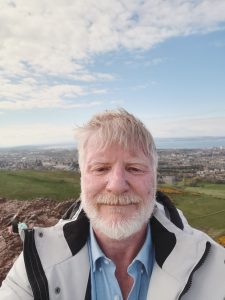
This is me at the top, it only took 45 minutes. A little steep and scrambly at the very top. Well worth the effort for the views. 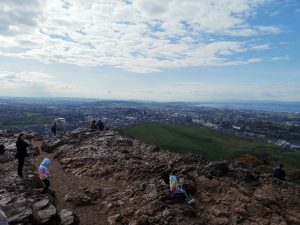
Cool Caledonian Tours Driver Guiding
Professional carbon neutral Scottish Tourist Guiding and Driver Guiding
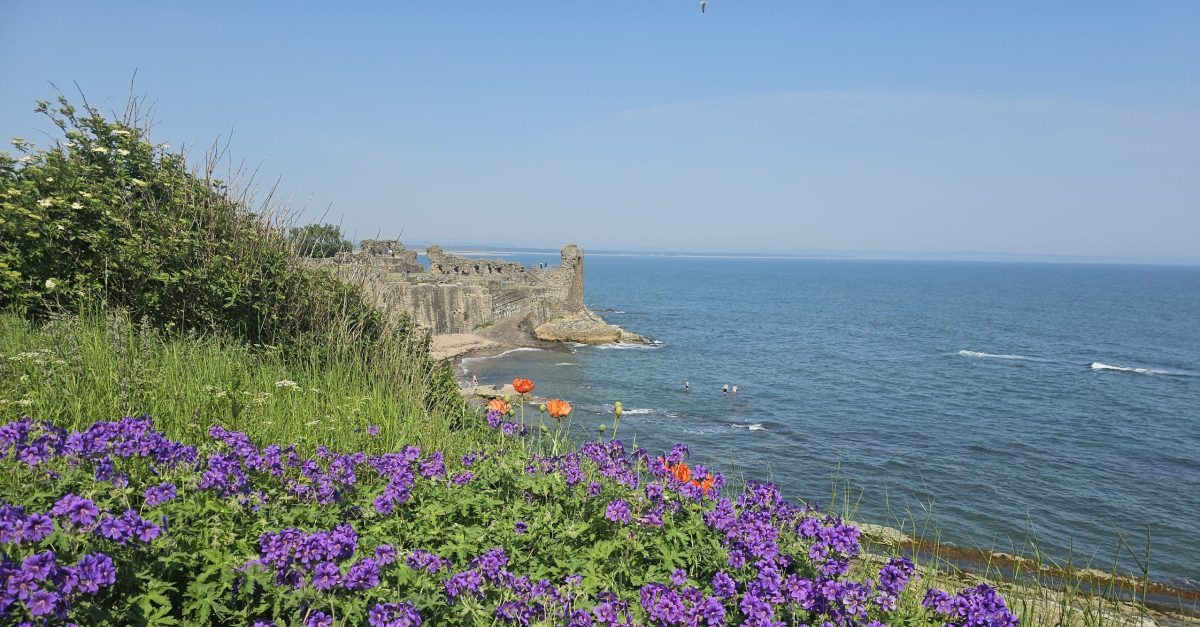
This is me at the top, it only took 45 minutes. A little steep and scrambly at the very top. Well worth the effort for the views.
Dunnottar, perched on sea cliffs is a roofless but substantial ruin. It was here, when filming Hamlet, that Mel Gibson heard of the story of William Wallace massacring the English garrison. This was the spark that ignited ‘Braveheart’. 
1_173530-300×225.jpg” alt=”” width=”300″ height=”225″ />
From the Borders to the North East and two castles: Crathes and Dunnottar.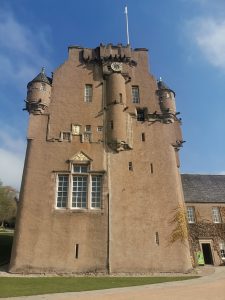
This is Crathes, home of the Burnett family for almost 400 years. It has remarkable painted ceilings and original furniture, including a four poster bed dated 1595. The oldest object on display, however, is the ivory hunting horn given to the family by Robert 犀利士
the Bruce. They family kept the castle intact by keeping out of civil wars and rebellions as much as possible.
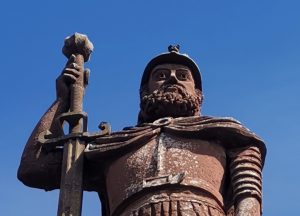
This must surely be it! Tom Church’s statue of Mel Gibson as ‘Braveheart’ was so hated when it was displayed at the Stirling Monument that it had to be put in a cage for its own protection. Eventually it was given back to the sculptor who was unable to sell it at auction. It is rumoured that it was offered to Donald Trump who turned it down.
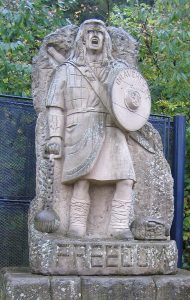
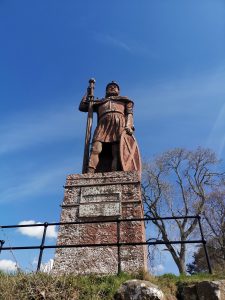
Of the many inaccuracies in the film ‘Braveheart’ number one must be that William Wallace was never called ‘Braveheart’. There are some grains of truth in the film, i.e. he did fight for Scottish independence against the English and the execution in London is actually a sanitised version of what happened. This is the Wallace statue in the Borders. Not the most flattering portrait but not the worst. The staring bulging eyes are probably the least appealing feature.
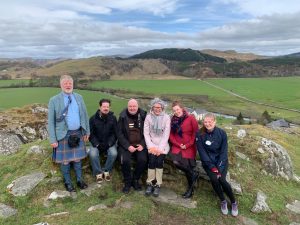
Me, i.e. the one in the kilt, with a lovely group from Finland a few days ago on Dunadd hill fort. In the 6th century A.D. this was the capital of the kingdom of Dalraida. On the hill top there is a foot shaped hole which was said to be where the king would place his foot during the coronation ceremony. Nearby is Kilmartin Glen which had the largest quantity of prehistoric monuments in Scotland, around 350 in a ten mile radius.
I couldn’t find my time pin, my tie always seems to blow away during photos. I have ordered a new one with a Celtic design.
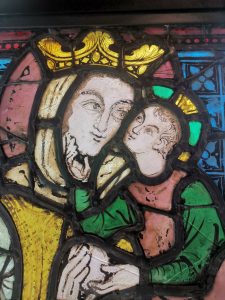
Another, rather unflatering image of the Virgin Mary, with a surprisingly mature looking infant Jesus.
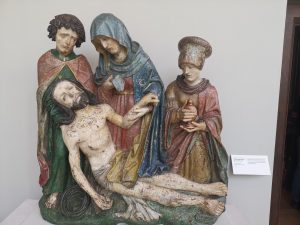
I like the objects which you don’t get to see in Scotland, especially religious carvings from Spain and Germany. At the time of the Scottish Reformation, 1560, when Scotland broke from the Catholic Church, around 98% of religious art was destroyed, according to the Second Commandment’s injuction against the worshiping of images or idols. This is German, early 16th century. The Virgin Mary and remakably uninjured Jesus, just taken down from the cross. Maybe most of the blood has faded over the centuries.
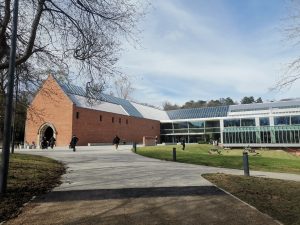
One of Scotland’s finest art collections, the Burrell Collection is now open again after refurbishment. The legacy of millionaire ship owner Sir William Burrell is set in Polok Park and, like all municipal galleries and museums in Scotland has free access. Donations very much appreciated.